ABOUT ME
Breeda
McManamon
Speech & Language Therapist BSc (Hons) MRCSLT
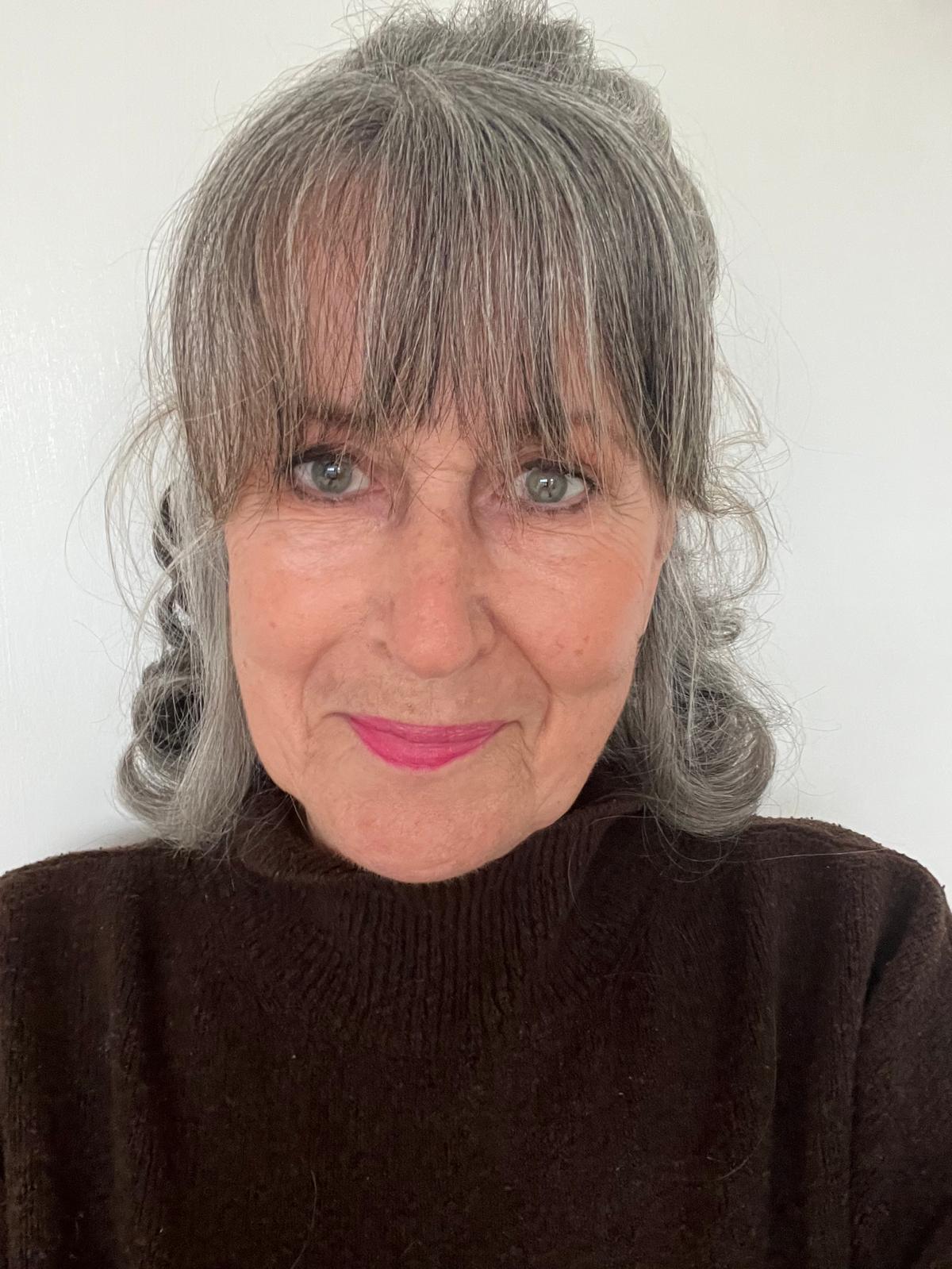
I am Breeda McManamon, a highly experienced and extremely motivated Speech and Language Therapist. I have worked across the NHS; Education; Local Authorities and in my last role I was the sole Speech & Language Therapist providing a Speech & Language Service within a Youth Justice Team Service for almost 10 years.
Throughout my career, I have identified children and young people whose communication needs were overlooked, misunderstood, or mistaken for behavioural, emotional or mental health difficulties.
Communication is central to safeguarding, inclusion, and positive outcomes. My aim is to understand each child or young person’s communication profile, identify barriers and strengths, and provide clinically informed assessment, advice, and intervention to help ensure their voice is heard and understood.
The last 2026 Youth Justice Board Inspection 2026 awarded my neurodiversity area outstanding.
ABOUT ME
Qualifications
& Training
Professional Registration
Education
Specialist Clinical Experience
Additional Clinical Experience
Specialist Experience:
Core Areas of Specialist Clinical Experience explained:
Language Disorders
A Language Disorder is diagnosed when a child or young person may not be able to understand and use words like other children and young people their age. Often children and young people with Language Disorders are overlooked.
Assessment and Diagnosis will identify the following 3 main categories of Language Disorder:
- Receptive: difficulty understanding vocabulary, concepts, sentences, directions, narratives
- Expressive: difficulty using (talking) vocabulary, concepts, sentences, grammatical structures and sequencing language;
- Pragmatic: difficulty using language socially to engage with other children or adults.
Some children or young people may present with all 3 categories of Language Disorder.
Assessment and Diagnosis will identify one of the following Language Disorders:
- A Developmental Language Disorder (DLD). This is diagnosed as a lifelong language difficulty that can affect everyday communication. DLD may be overlooked when other difficulties are more visible. It can be confused with Autism;
- A Language Disorder can be part of a broader medical or developmental condition. For example: A Language Disorder associated with Autism; A Language Disorder associated with ADHD;
- Acquired Language Disorder. This means that a child or young person may be diagnosed with a Language Disorder for many reasons and one example would be a traumatic brain injury .
Social, Emotional & Mental Health (SEMH)
I support children and young people whose language and communication difficulties may interact with emotional wellbeing, adverse experiences, or trauma.
Many children and young people who experience SEMH may also have Speech, Language and Communication needs; however, often SLCNs are not appropriately identified. When SLCNs are masked, intervention for SEMH is unlikely to be effective. Clinical assessment will expose masking behviours and provide intervention directed at SLCNs.
Autism Spectrum Disorder (ASD)
I provide speech, language and communication assessment and professional input that may contribute to a wider multidisciplinary autism assessment.
Supporting the Autism assessment by contributing to the understanding of language and communication differences in autistic children and young people, including where communication differences and language may previously have been overlooked or misunderstood or confused with other disorders.
I provide therapy for all children and young people diagnosed with Autism.
Social Communication/
Pragmatics
Assessment, identification, and support for children and young people experiencing differences related to: social interaction, social understanding and social communication including friendships;
Deafness
I provide assessment helping to Identify deafness as part of a Multidisciplinary Team (e.g. Audiology; ENT; Teacher of the Deaf) related to children and young people with additional or complex needs, impacting language skills; social communication; learning and literacy skills.
It is important to understand that a child or young person may not be born deaf however, many health or environmental factors may lead to partial deafness. For example, infections or playing loud music in their cars; attending music concerts etc.
Additional Clinical Experience:
Aphasia is an acquired disorder – resulting from brain damage: speaking, understanding, reading, writing following a brain injury. I will provide assessments and identify Aphasia, offer support, or refer your child or young person o a Speech & Language Neuro Service if required.
A cognitive communication disorder can be a result of a Traumatic Brain Injury.
I provide speech, language and communication assessment, and professional input that may contribute to a wider multidisciplinary autism assessment.
Dysphagia (Swallowing)
Dysphagia (swallowing difficulties). Dysphagia may be the result of an acquired neurological condition, e.g. brain damage. Where swallowing difficulties are suspected or identified, I will consider whether assessment is within my scope of practice. Where specialist dysphagia assessment or management is required, I will refer to or work alongside an appropriate specialist neuro service.